Oct. 7, 2026
UpdateFrom Vienna to Victoria
I recently put out a video about housing affordability and some of the ideas I believe Victoria should explore. One example I talked about was Vienna.
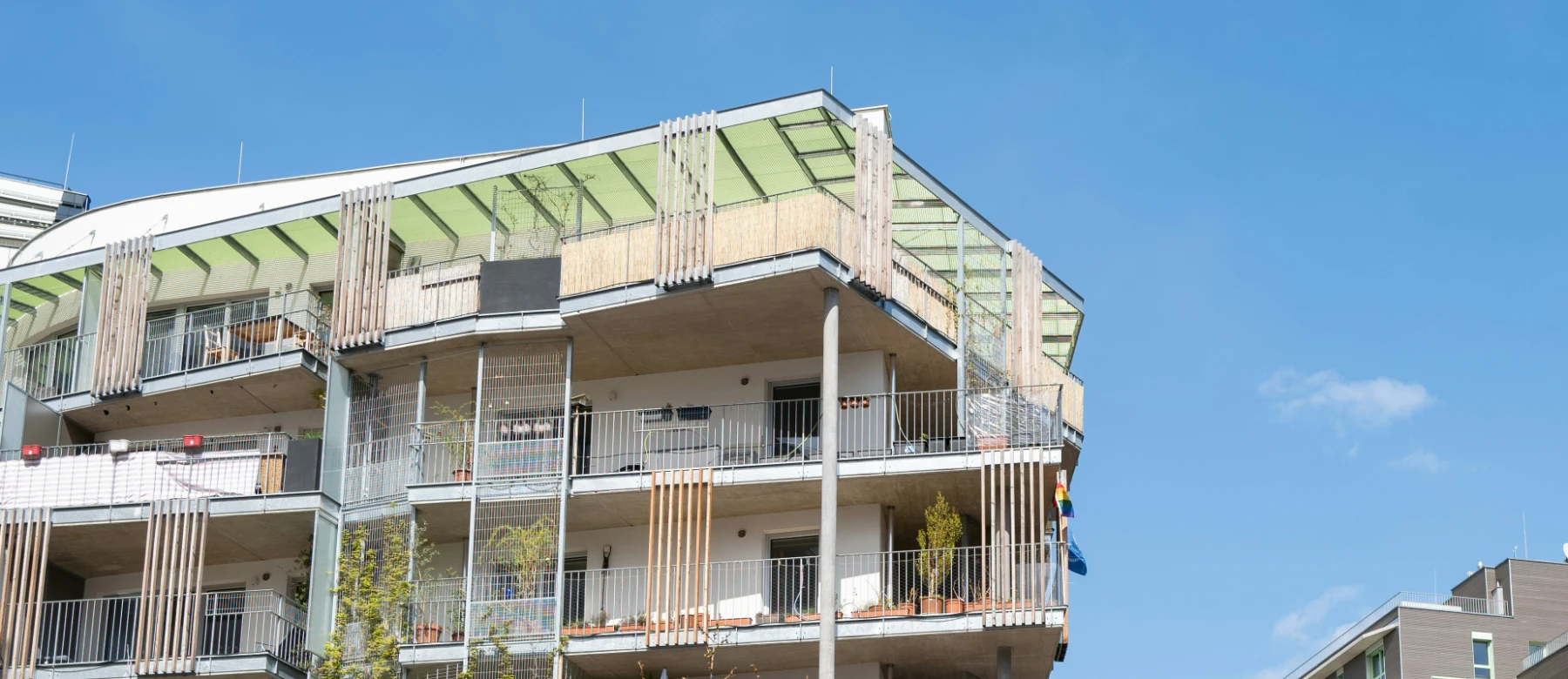
Vienna has spent generations building a system where housing isn’t viewed only as a social program. Housing and land are also long-term public assets.
The City owns roughly 220,000 apartments, alongside approximately 200,000 co-operative and subsidized homes in its broader social-housing system.
Victoria obviously isn’t Vienna, but there is an important principle we can bring home:
If taxpayers invest in housing, the public should have something valuable to show for it.
Building housing and public wealth
I don’t believe our only options are leaving housing entirely to the private market or continually spending tax dollars on subsidies.
Imagine Victoria, a municipal housing corporation, the CRD or a public land trust retaining ownership of land and rental housing.
Residents pay rent. That revenue helps cover financing, maintenance, management and reserves. As debt is paid down, public equity grows. The land and buildings remain public assets.
Eventually, a larger, mature portfolio can generate revenue and borrowing capacity that helps finance the next project.
Britain’s council-housing system demonstrates part of this model. English councils maintain dedicated housing accounts, and expected rental revenues can support borrowing for additional council housing.
The basic cycle is straightforward:
Public land and seed investment → build housing → collect rent → pay financing and operating costs → build public equity → reinvest → build more housing.
Instead of continually starting from zero, we build something that grows.
We can see it closer to home
Vancouver already provides a Canadian example.
Its affordable-housing portfolio includes more than 250 City-owned sites supporting over 13,000 non-market homes. Vancouver is also developing market rental housing on City land with the objective of generating financial returns and non-tax revenue.
That suggests another possibility for Victoria: mixed-income public housing.
Some homes could be deeply affordable. Others could serve working and middle-income households. Some could potentially be market rentals that help strengthen the overall portfolio.
Victoria is not starting from zero
Victoria already has a Housing Reserve Fund that supports affordable housing and leverages investment from other governments and partners.
I want to build on that good work.
Could City land become equity in housing developments rather than simply being sold? Could we establish or participate in a land trust that retains land permanently? Could rental revenues eventually provide seed money for additional housing?
And I don’t want Victoria duplicating the CRD. The Capital Region Housing Corporation already develops and operates affordable housing across the region. I want stronger regional leadership, with Victoria bringing its land, zoning authority and resources to the table while leveraging CRD, provincial and federal investment.
Protecting the taxpayer and our tax base
There is another important piece of this model.
City-owned rental housing should still contribute toward the municipal services its residents and buildings use.
I would propose that a municipal services contribution be included directly in the rental fees paid by tenants, similar to how property taxes are ultimately part of the operating costs incorporated into rents in privately owned rental buildings.
That contribution would flow back to the City to help pay for the municipal services that property taxes normally support.
In other words, we shouldn’t create affordable housing by quietly removing properties from Victoria’s revenue base.
The objective is to make the model work for both renters and taxpayers.
Residents get secure, long-term housing. Their rents cover the costs of operating the housing, including an appropriate contribution toward municipal services. Financing gets paid down. Public equity grows. And the people of Victoria continue to own the land and buildings.
Where does the money come from?
I’m not suggesting Victoria property taxpayers simply write a cheque for hundreds of millions of dollars.
Victoria can bring land and seed investment. The CRD can be a partner. Provincial and federal governments can provide grants and favourable financing. Non-profits and co-operatives can bring expertise and capital. Rental revenues can support appropriate long-term financing.
The question should be:
How can every public dollar and every piece of public land leverage additional investment while leaving taxpayers with an asset at the end?
A pathway toward ownership
I also want to investigate whether part of this system could help people move from renting toward ownership.
There are people in Victoria who can afford a reasonable monthly housing payment but cannot save a down payment while paying today’s rents.
Shared-equity or rent-to-own models could provide another pathway. Perhaps a public land trust could retain ownership of the land while residents build equity in their homes, with resale conditions maintaining affordability for the next household.
Helping people build personal wealth doesn’t have to mean giving away the public wealth we’ve built together.
Bringing the idea home
Vienna took generations to build its housing system.
Vancouver’s model is different. Britain’s council-housing experience contains both successes and lessons.
We shouldn’t copy any of them blindly.
We should take the best ideas, determine what works under British Columbia law and build on what Victoria already has.
Start responsibly. Demand a credible business case. Protect taxpayers and the City’s revenue base.
Leverage other governments’ investment. Keep valuable public land where it makes sense. Build homes people can afford.
Most importantly, let’s stop thinking about every housing dollar as money that disappears after it is spent.
Public land can build homes. Homes can produce revenue. Revenue can pay down financing and build public equity. And that growing public asset can help us build the next generation of housing.
That’s how we can begin bringing some of the lessons from Vienna home to Victoria.
We can do better, together.